
Blog
How to Choose the Right Custom Clothing Manufacturer

Choosing a custom clothing manufacturer is one of the most important decisions you will make when launching or growing an apparel brand. Your manufacturer affects far more than production costs. They influence your garment quality, sizing consistency, delivery schedule, customer satisfaction, and ultimately, your brand’s reputation.
You spend months developing a collection. You finalize the designs, create a website, prepare a marketing campaign, and begin building excitement around the launch. Then the products arrive with uneven stitching, incorrect measurements, faded printing, or inconsistent colors.
At that point, the problem is no longer limited to manufacturing. It becomes a customer-service problem, a financial problem, and a brand-trust problem.
The right manufacturer helps prevent these situations. Instead of acting as a factory that simply follows instructions, a reliable manufacturing partner helps you select suitable materials, improve product specifications, develop samples, maintain quality, and plan production realistically.
This guide explains how to find, compare, and choose a clothing manufacturer that matches your products, budget, quality expectations, and long-term business goals.
Why Choosing the Right Clothing Manufacturer Matters
Customers rarely know which factory produced a garment. However, they immediately notice how that garment looks, feels, fits, and performs.
When customers receive uncomfortable activewear, a hoodie with weak stitching, or a sports uniform with poor-quality printing, they do not blame the factory. They blame the brand printed on the label.
A dependable custom clothing manufacturer can help you:
- Maintain consistent sizing and product quality
- Select appropriate fabrics and construction methods
- Reduce defects, returns, and customer complaints
- Meet product-launch and restocking deadlines
- Create custom labels, tags, packaging, and branding
- Scale production as your business grows
- Protect your brand’s reputation
This is why choosing a manufacturer should not be based on price alone. The lowest quotation may become the most expensive option when you include rejected products, delayed shipments, remakes, refunds, and lost customers.
Define Your Product Before Contacting Manufacturers
One of the most common mistakes new brand owners make is contacting factories with a message such as:
“I want to start a clothing brand. Please send your prices.”
A manufacturer cannot provide an accurate quotation without understanding what you want to produce. The price of a basic cotton T-shirt will be very different from that of a heavyweight embroidered hoodie, compression shirt, sublimated football uniform, or technical safety jacket.
Before contacting a manufacturer, define the following details:
- Product type
- Target customer
- Fabric preference
- Fabric weight or GSM
- Size range
- Estimated quantity
- Colors and variations
- Printing or embroidery requirements
- Labels and packaging
- Target quality level
- Required delivery date
- Shipping destination
You do not need to understand every technical detail before your first conversation. A knowledgeable manufacturer should be able to guide you. However, the clearer your starting information is, the more useful and accurate the manufacturer’s response will be.
Look for Experience in Your Product Category
Not every clothing factory is suitable for every garment.
A manufacturer that produces basic cotton T-shirts may not have the machinery or technical knowledge required for compression wear. Similarly, a fashion garment factory may not understand the performance, movement, reinforcement, and durability requirements of combat apparel or industrial workwear.
Look for a manufacturer that already specializes in your product category.
For example, Zelt Impex provides custom manufacturing across several apparel categories, including:
- Gym and activewear
- Streetwear and urban apparel
- Team sports uniforms
- Combat and MMA apparel
- Technical workwear
Review the manufacturer’s website, product categories, sample work, fabric knowledge, stitching methods, customization options, and production process.
A specialized factory is more likely to understand common challenges within your category. For activewear, this could include stretch recovery, breathability, sweat management, and seam placement. For streetwear, it may include heavyweight fabrics, oversized fits, garment washing, puff printing, embroidery, and premium finishing.
Understand the Manufacturer’s Service Model
Before choosing a supplier, determine what type of manufacturing support you need.
Cut-and-Sew Manufacturing
In cut-and-sew production, garments are created from fabric according to your patterns, measurements, and design specifications. This provides greater control over the garment’s fit, fabric, construction, and branding.
It is suitable for brands that want original products rather than placing a logo on an existing blank garment.
Private Label Manufacturing
A private label clothing manufacturer creates products that are sold under your brand name. Depending on the supplier, you may be able to customize:
- Fabrics
- Colors
- Measurements
- Labels
- Hangtags
- Printing
- Embroidery
- Packaging
Private label manufacturing can be useful for brands that want customized products without managing every technical production step independently.
OEM Clothing Manufacturing
OEM manufacturing means the factory produces garments according to the buyer’s designs and specifications. It is particularly suitable for businesses with tech packs, reference samples, artwork, or detailed product concepts.
Zelt Impex offers OEM, private label, and custom apparel manufacturing for startups, brands, retailers, wholesalers, sports teams, gyms, and other businesses.
Ask About Minimum Order Quantity
MOQ stands for minimum order quantity. It is the smallest quantity a manufacturer will accept for a particular product, design, fabric, or color.
For example, a manufacturer may calculate MOQ:
- Per design
- Per color
- Per size
- Per fabric
- Per complete order
Never assume that “100 pieces” means you can order 10 different designs with 10 pieces of each. Ask the manufacturer to explain exactly how its MOQ is structured.
For a startup, a lower MOQ can reduce inventory risk and make it easier to test products before investing in a large order. However, low-quantity production normally has a higher cost per unit because material sourcing, pattern development, setup, printing, and sampling costs are spread across fewer garments.
The goal is not simply to find the lowest MOQ. The goal is to find a quantity that allows you to test your market while maintaining acceptable product quality and pricing.
Zelt Impex offers flexible production options through its low-MOQ startup approach. The final MOQ can depend on the product, materials, customization, and production method.
Evaluate Fabric and Material Knowledge
Fabric selection can determine whether a product succeeds or fails.
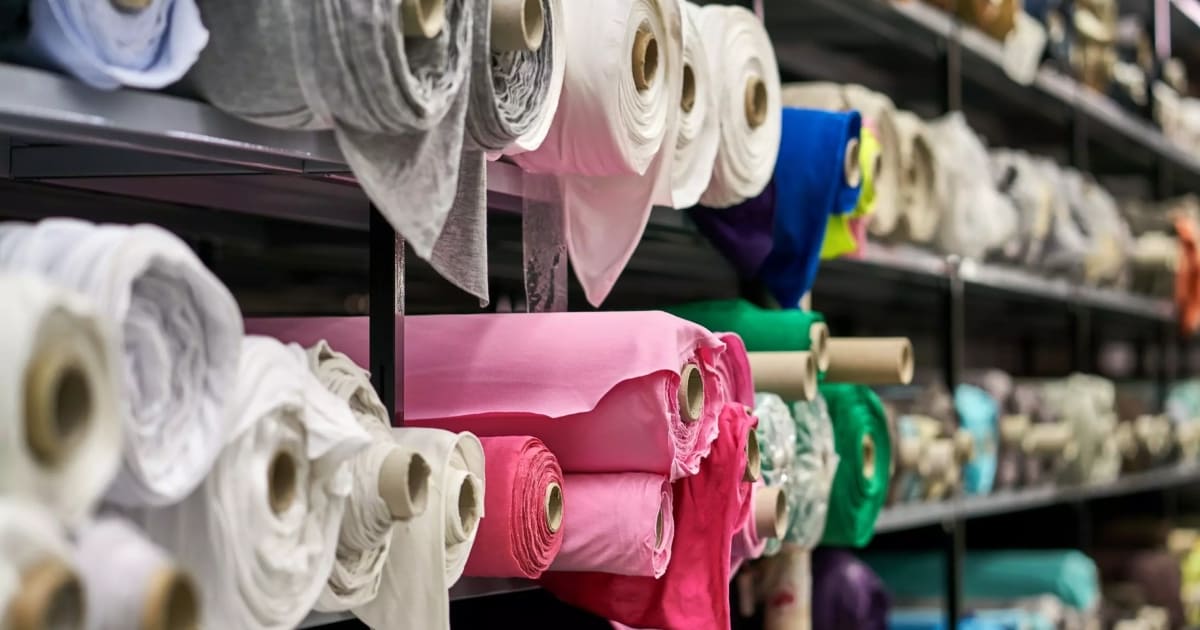
Two fabrics may look similar in photographs but behave very differently after washing, stretching, sweating, printing, or repeated use. A reliable manufacturer should explain why a particular material is suitable for your garment instead of recommending the same fabric for every product.
Discuss details such as:
- Fabric composition
- GSM or fabric weight
- Stretch percentage
- Breathability
- Shrinkage
- Colorfastness
- Pilling resistance
- Moisture management
- Durability
- Care requirements
For example, a lightweight performance fabric may work well for training shirts, while a heavyweight cotton or cotton-blend fabric may be more suitable for premium streetwear. Workwear may require stronger materials, reinforced stress points, and greater resistance to daily wear.
Ask for fabric swatches or include the selected material in your sample before approving bulk production. OEKO-TEX® STANDARD 100
Never Skip the Sampling Process
A sample is your opportunity to inspect the garment before committing to bulk production.
Even a detailed tech pack cannot show exactly how a fabric will feel, how a pattern will fit, or how a logo will appear after printing or embroidery. A physical sample allows you to evaluate these details in a real product.
Check the following during sample evaluation:
- Fabric quality and weight
- Garment measurements
- Overall fit
- Stitching consistency
- Seam strength
- Logo size and placement
- Print or embroidery quality
- Color accuracy
- Labels and trims
- Finishing
- Comfort and movement
- Appearance after washing
Do not approve a sample simply because it looks good in a photograph or video. Whenever possible, inspect the physical sample, try it on, wash it, and compare its measurements with your specification sheet.
Request revisions when necessary. It is less expensive to correct one sample than to discover the same problem across an entire bulk order.
Review the Quality-Control Process
Quality control should happen throughout production, not only after the garments are packed.
Ask the manufacturer when and how products are inspected. A strong quality-control process may include:
- Fabric inspection
- Measurement and pattern verification
- Cutting inspection
- Stitching checks
- Printing or embroidery inspection
- In-line production checks
- Final measurement verification
- Finishing and packaging inspection
- Pre-shipment inspection
The purpose of these checks is to identify problems before they affect the complete order.
Zelt Impex describes a multistage apparel quality-control process covering fabric selection, cutting, stitching, printing, embroidery, finishing, packing, and final inspection.
Before ordering, also ask how the manufacturer handles defective pieces. Will they be repaired, replaced, refunded, or included as an accepted production tolerance? These terms should be discussed before payment and production.
Compare Quotations Carefully
The cheapest quotation is not automatically the best quotation.
Two manufacturers may provide very different prices because they are quoting different materials, fabric weights, stitching standards, printing methods, packaging, quality checks, or shipping arrangements.
Ask every shortlisted manufacturer to quote the same specifications. The quotation should clearly explain:
- Product cost
- Fabric specifications
- Sample cost
- Pattern or development charges
- Printing or embroidery costs
- Label and packaging costs
- MOQ
- Production timeline
- Shipping charges
- Payment terms
- Applicable taxes or duties
- Whether the price includes delivery
A vague quotation makes comparison difficult and can lead to unexpected charges later.
Choose the manufacturer offering the strongest overall value, not simply the lowest unit price. Value includes product quality, customization, communication, reliability, quality control, and after-sales support.
Test the Manufacturer’s Communication
Manufacturing requires regular decisions and approvals. Poor communication during the quotation stage can become a much bigger problem during production.
Pay attention to whether the manufacturer:
- Answers your questions clearly
- Requests the information needed to understand your product
- Explains technical terms
- Identifies missing specifications
- Provides realistic timelines
- Shares progress updates
- Confirms important decisions in writing
- Responds professionally when a problem occurs
Fast replies are useful, but accurate and transparent replies are more important.
A professional manufacturer will not agree to every request without reviewing whether it is technically or commercially realistic. Sometimes the most valuable response is an honest explanation that a certain fabric, printing method, deadline, or price target will not produce the result you expect.
Confirm Production and Delivery Timelines
Ask for separate timelines for:
- Product development
- Material sourcing
- Sample production
- Sample shipping
- Sample revisions
- Bulk production
- Quality inspection
- Packaging
- International shipping
Do not calculate your launch date based only on the factory’s sewing time. Sampling revisions, fabric availability, label production, public holidays, customs clearance, and international shipping can all affect the final delivery date.
Build extra time into your schedule, particularly for your first order with a new manufacturer.
A dependable supplier should provide realistic expectations instead of promising an unusually fast delivery simply to secure the order.
Check Custom Branding Options
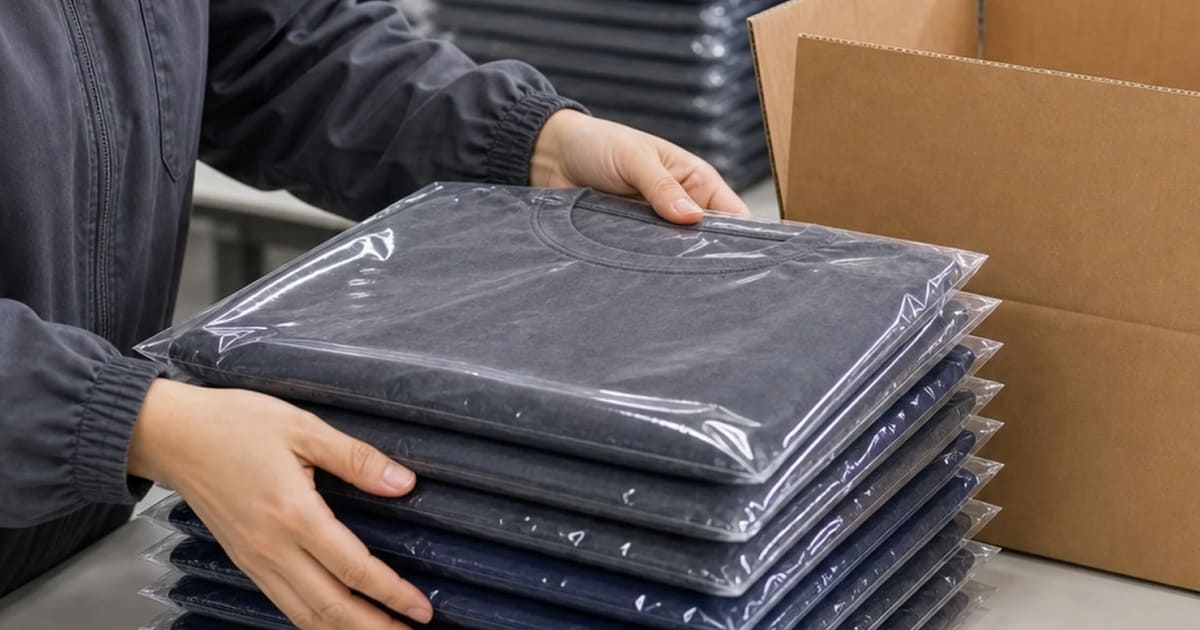
Your garments should feel like products created specifically for your brand.
Ask whether the manufacturer can provide:
- Woven labels
- Printed neck labels
- Size labels
- Care labels
- Hangtags
- Branded packaging
- Custom buttons or zippers
- Embroidery
- Screen printing
- Sublimation
- DTF printing
- Heat-transfer printing
- Patches and badges
Also confirm the minimum quantities, setup charges, artwork requirements, and production timelines for each branding method.
Consistent labels, packaging, colors, typography, and logo placement create a more professional customer experience. These details can help transform a basic garment into a recognizable branded product.
Look for Transparency and Verifiable Business Information
A professional website alone is not enough to prove that a supplier is reliable.
Before sending a large payment, verify as much information as reasonably possible. Review:
- Business name and location
- Contact details
- Company history
- Product specialization
- Factory or production images
- Certifications or memberships
- Sample quality
- Written quotations
- Payment information
- Shipping documentation
- Customer references, where available
Video calls, factory walkthroughs, third-party inspections, and trial orders can provide additional confidence when working internationally.
You can also review the company’s background and manufacturing capabilities on the About Zelt Impex page.
Warning Signs to Avoid
Be cautious when a manufacturer:
- Offers prices far below every competing quotation
- Refuses to provide samples
- Gives unclear product specifications
- Pressures you to pay immediately
- Changes payment information unexpectedly
- Avoids discussing defects or quality standards
- Promises unrealistic production times
- Communicates only through disappearing messages
- Cannot explain fabric or construction details
- Provides copied or inconsistent product images
One warning sign may have a reasonable explanation. Several warning signs together should not be ignored.
A Simple Manufacturer Comparison Scorecard
Instead of selecting a factory based on instinct, score each shortlisted manufacturer using the same criteria.
| Evaluation Area | Suggested Weight |
| Product-category expertise | 20% |
| Sample quality | 20% |
| Quality-control process | 15% |
| Communication | 15% |
| Pricing and transparency | 10% |
| MOQ flexibility | 10% |
| Production capacity and lead time | 5% |
| Branding and packaging options | 5% |
This approach helps prevent a low quotation from outweighing more important factors such as quality, expertise, and reliability.
Questions to Ask a Custom Clothing Manufacturer
Before placing an order, ask:
- Do you specialize in my product category?
- What is your MOQ per design and color?
- Can you source the required fabric?
- Can you work from a tech pack or reference sample?
- What does the sampling process include?
- How many sample revisions are allowed?
- Which printing and embroidery methods do you offer?
- What quality checks are completed during production?
- What is the estimated production timeline?
- How do you handle defective products?
- Can you provide custom labels and packaging?
- Which countries do you ship to?
- What are your payment terms?
- What information do you need for an accurate quotation?
- Can production scale if my order volume increases?
The quality of a manufacturer’s answers can tell you almost as much as the final quotation.
Why Brands Choose Zelt Impex
Zelt Impex is a custom apparel manufacturer based in Sialkot, Pakistan, providing OEM, private label, and customized clothing production for international clients.
Its manufacturing capabilities include activewear, streetwear, team uniforms, combat apparel, workwear, printing, embroidery, custom labeling, packaging, sampling, and worldwide shipping.
Brands can also review the company’s manufacturing advantages on the Why Choose Zelt Impex page.
Rather than managing separate suppliers for product development, apparel manufacturing, branding, and packaging, businesses can coordinate these requirements through one manufacturing partner.
Final Thoughts
Finding the right custom clothing manufacturer is not about discovering a factory that says yes to everything. It is about choosing a partner that understands your product, communicates honestly, protects your quality standards, and supports your long-term business goals.
Start with clear product requirements. Compare manufacturers based on their specialization, samples, MOQ, materials, communication, quality-control process, pricing transparency, and delivery capabilities.
Most importantly, begin with a sample or manageable trial order. A smaller first production run gives both you and the manufacturer an opportunity to improve the workflow before scaling.
The right manufacturing relationship does more than produce clothing. It gives your brand a dependable foundation for launching products, serving customers, and growing with confidence.
Ready to discuss your clothing project? Contact Zelt Impex with your product type, designs, quantity, fabric preferences, branding requirements, and target delivery date to receive manufacturing guidance and a quotation.
Frequently Asked Questions
How do I choose a custom clothing manufacturer?
Define your product requirements and compare manufacturers based on their specialization, sample quality, MOQ, fabric knowledge, quality control, communication, pricing, customization, and delivery timeline. Always review a sample before approving bulk production.
How do I find a clothing manufacturer for my brand?
Search for manufacturers specializing in your product category, review their websites and manufacturing capabilities, request quotations, order samples, verify business information, and compare multiple suppliers using the same requirements.
What is a good MOQ for a startup clothing brand?
A suitable MOQ depends on your budget, product type, customization, and expected sales. Start with a manageable quantity that lets you test demand without creating excessive inventory. Remember that smaller orders may have a higher cost per unit.
Should I order a sample before bulk production?
Yes. A physical sample allows you to evaluate fabric, sizing, fit, stitching, printing, embroidery, labels, and overall workmanship before investing in a complete production order.
What information does a clothing manufacturer need?
Manufacturers generally need your product type, design files or references, quantities, sizes, colors, fabric preferences, measurements, artwork, branding requirements, packaging details, delivery destination, and target timeline.
What is the difference between OEM and private label clothing?
OEM manufacturing generally involves producing garments according to the buyer’s original specifications or designs. Private label manufacturing involves producing clothing that is branded and sold under the buyer’s company name. The exact services can vary between manufacturers.